
Nitroplasts: A New Discovery That Could Change Farming
A new organelle, found in ocean algae at UC Santa Cruz. New organelles almost never appear.
Hyunji Song
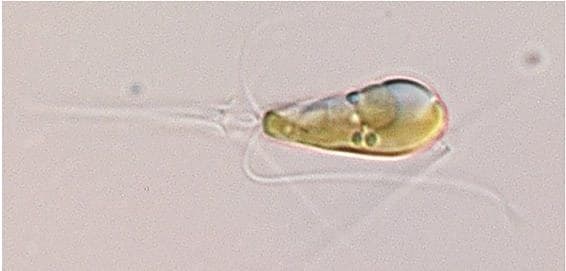
Scientists recently found a new kind of organelle called a nitroplast, and its discovery is extremely rare. In the entire history of life on Earth, new organelles almost never appear. The nitroplast was not originally part of the algae cell. Long ago, a nitrogen-fixing bacterium lived inside the algae and over millions of years, this bacterium slowly changed and became an organelle. And many believe it could help solve future food shortages. Today, hundreds of millions of people around the world suffer from food, and climate change is making farming harder each year. Because of this, researchers are searching better ways to help plants grow.
The new discovery offers a possible solution. A research team at the University of California Santa Cruz found that Braarudosphaera bigelowii (a type of ocean algae) has a special organelle, the nitroplast. Scientists think this nitroplast began as a bacteria long ago and later became a permanent part of the algae cell. And the important part is that nitroplast can turn nitrogen gas into a usable form for the cell. If scientists can apply this system to crop plants, we may one day reduce the need for chemical fertilizers and grow food in a more sustainable way.
Many challenges remain, but this discovery gives hope for a new, environmentally friendly farming method.
Letters
Say something about this story. No account needed. Leave a name or stay anonymous, and you can delete anything you post from this browser.
Related Stories
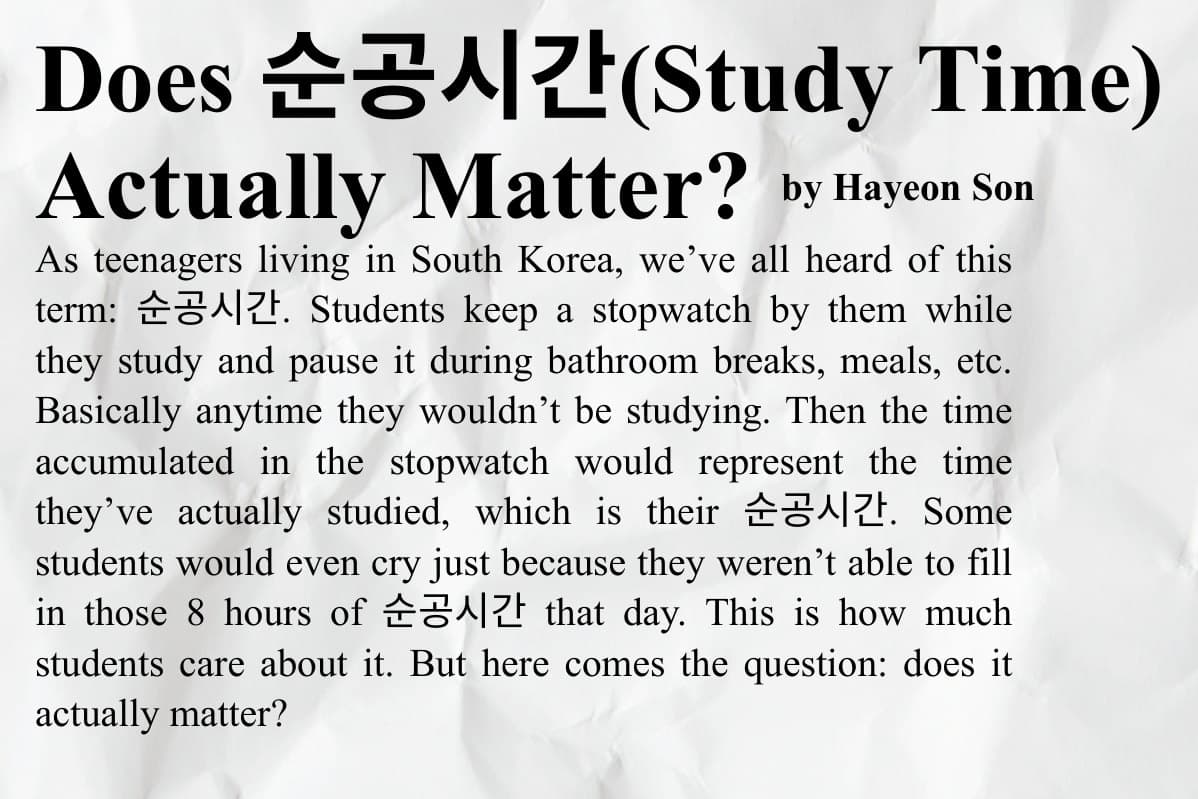
Does 순공시간 (Study Time) Actually Matter?
Students stop the clock for bathroom breaks and cry over eight hours. The correlation is weaker than expected.
Hayeon Son/Mar 2026
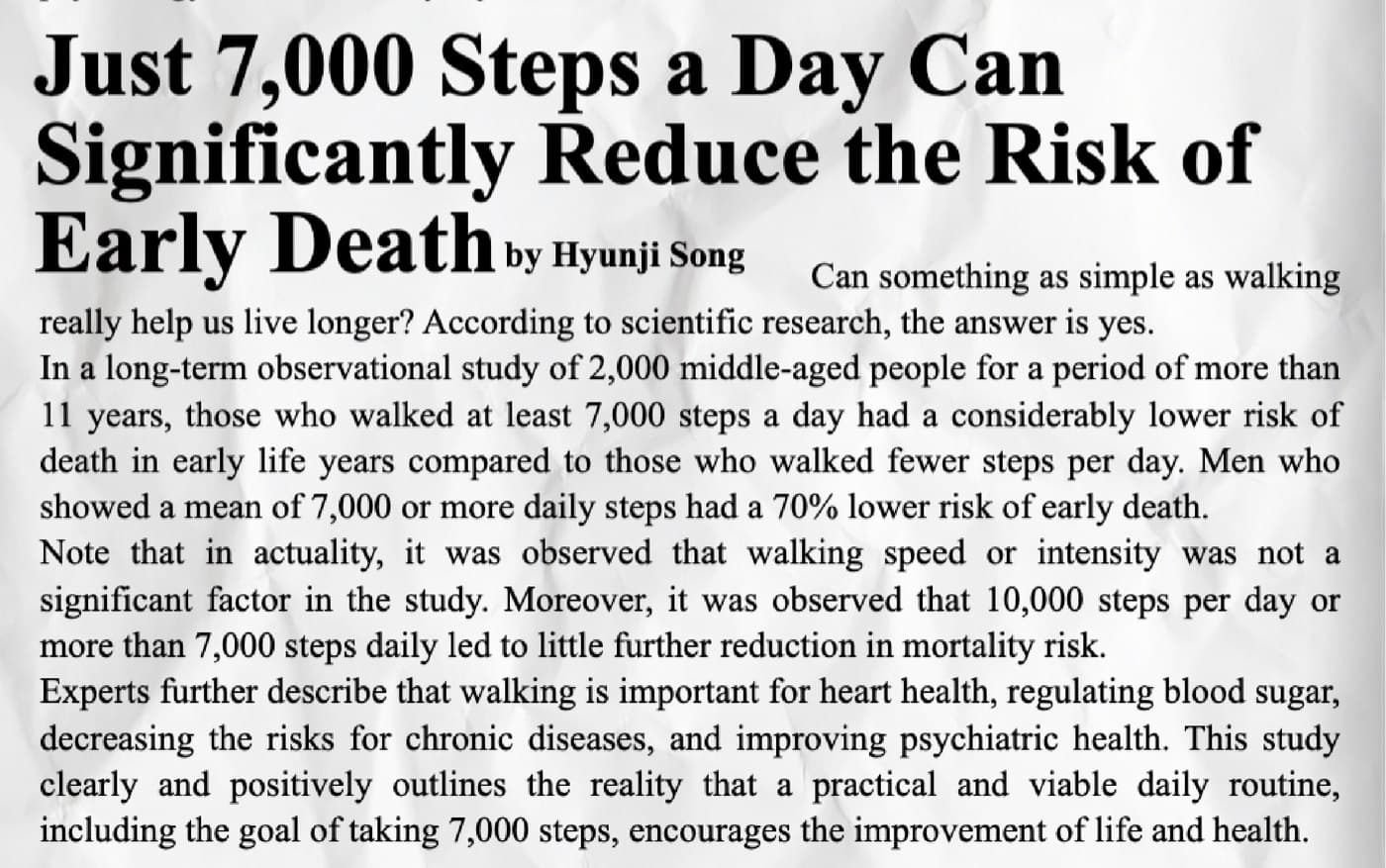
Just 7,000 Steps a Day Can Significantly Reduce the Risk of Early Death
Two thousand middle-aged people, eleven years, and a 70% lower risk. Speed turned out not to matter.
Hyunji Song/Feb 2026
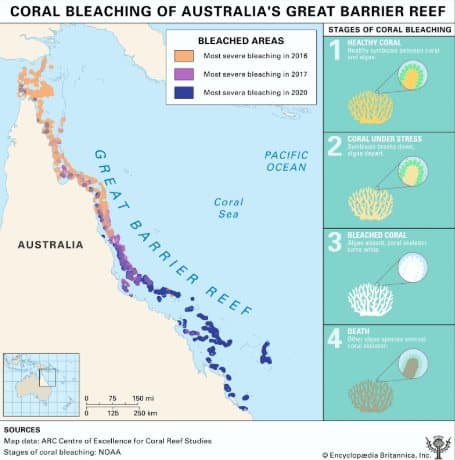
BioBites: Ocean Life and Environmental Change
Microplastics, acidification and bleaching, and the small things students can actually do.
Hyunji Song/Nov 2025
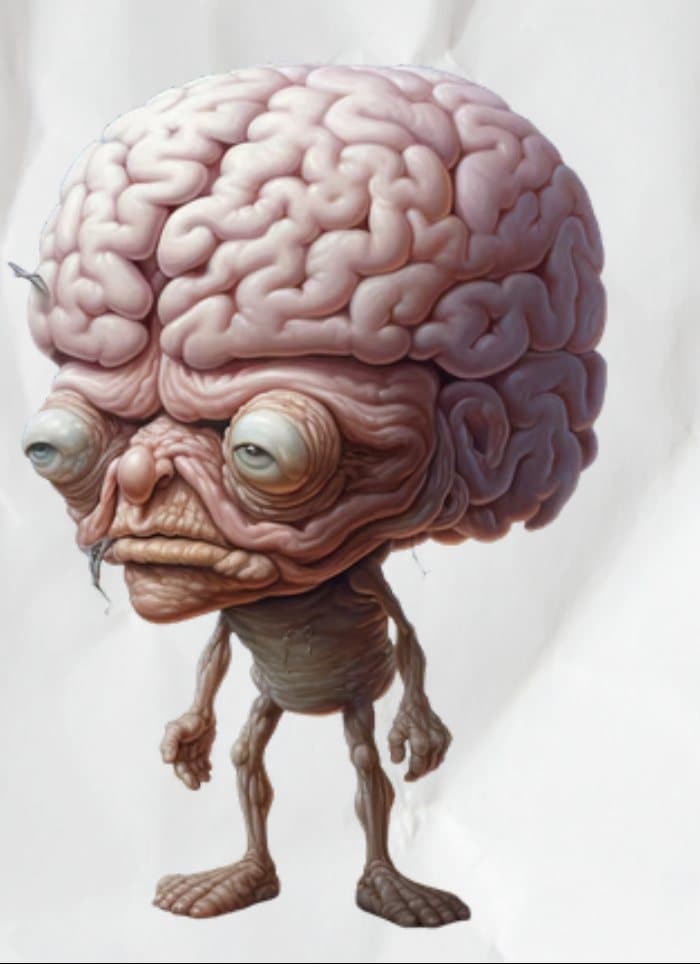
Neuroscience: Understanding the Human Brain
Billions of neurons, electrical and chemical signals, and what studying them may teach us about being human.
Yebynn Son/Sep 2026
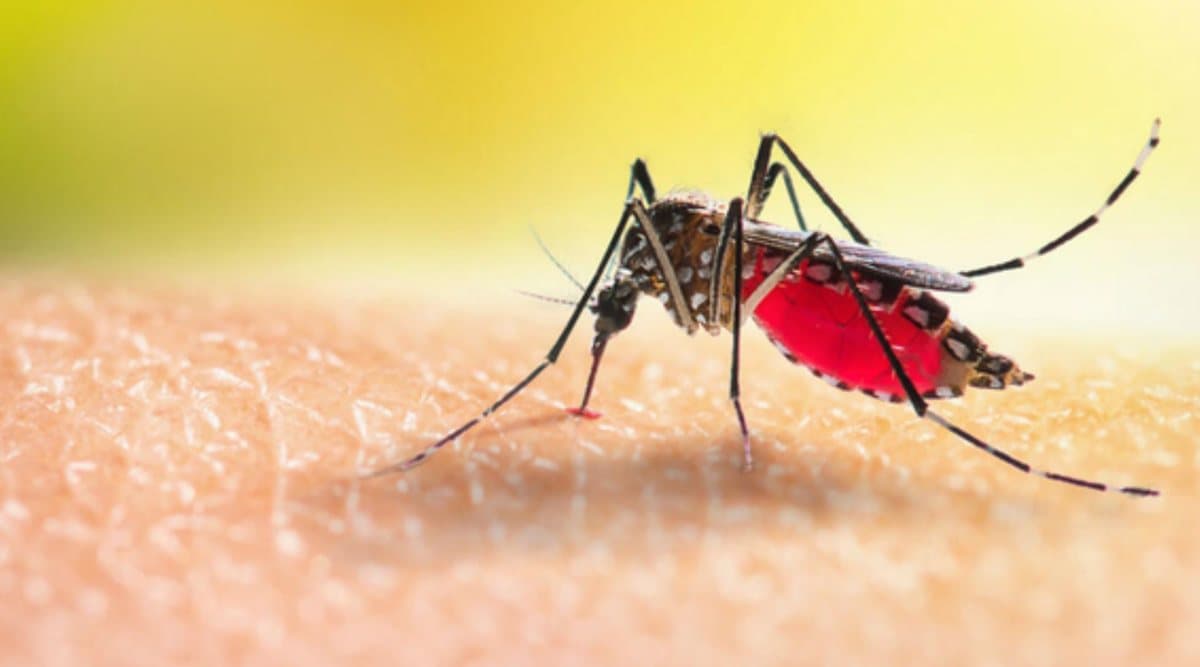
More Than Just a Summer Nuisance
Why only females bite, why the bite itches, and why mosquito prevention is a small part of protecting community health.
Yena Seo/Sep 2026
How Exercise Helps Build Stronger Bones
Bone is living tissue. Three sessions a week at a decent intensity, and it remodels itself around the load.
Hyunji Song/Jun 2026
More from Public Health & Science
Neuroscience: Understanding the Human Brain
Billions of neurons, electrical and chemical signals, and what studying them may teach us about being human.
Yebynn Son/Sep 2026
More Than Just a Summer Nuisance
Why only females bite, why the bite itches, and why mosquito prevention is a small part of protecting community health.
Yena Seo/Sep 2026
How Exercise Helps Build Stronger Bones
Bone is living tissue. Three sessions a week at a decent intensity, and it remodels itself around the load.
Hyunji Song/Jun 2026
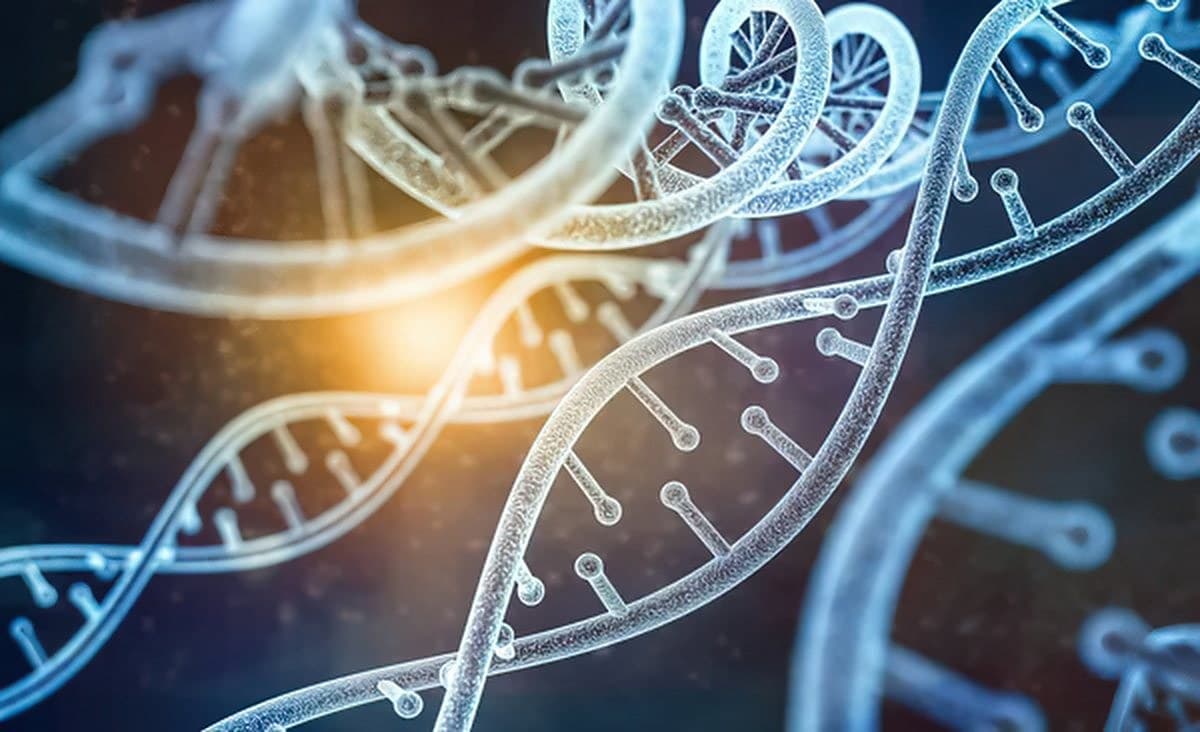
How to: Fix Yourself
CRISPR is a molecular scissor. It won a Nobel in 2020, treated sickle cell in 2023, and edited embryos in 2018.
Hayeon Son/May 2026
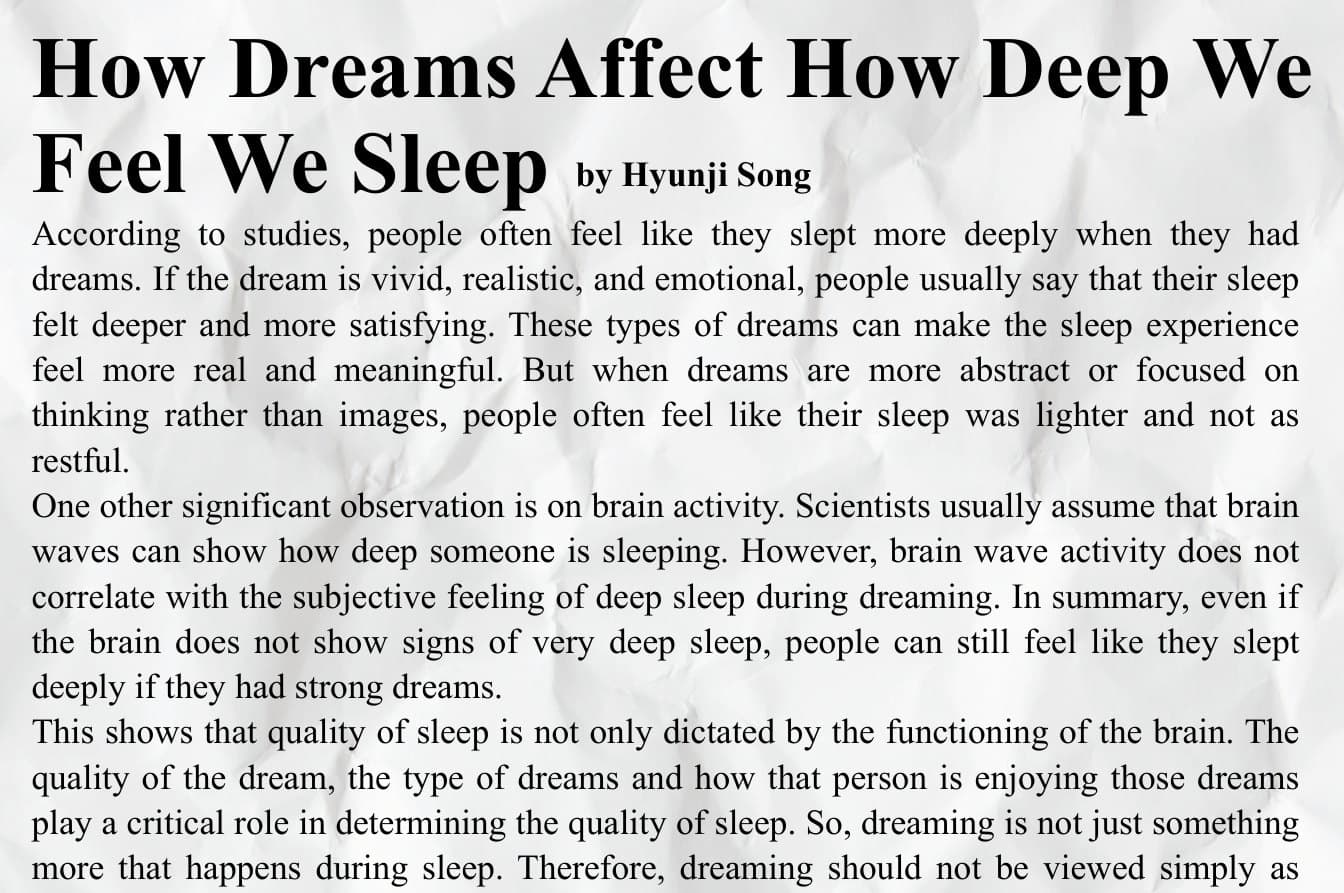
How Dreams Affect How Deep We Feel We Sleep
Brain-wave activity does not match the feeling of deep sleep. The dream does.
Hyunji Song/Mar 2026
Does 순공시간 (Study Time) Actually Matter?
Students stop the clock for bathroom breaks and cry over eight hours. The correlation is weaker than expected.
Hayeon Son/Mar 2026
Just 7,000 Steps a Day Can Significantly Reduce the Risk of Early Death
Two thousand middle-aged people, eleven years, and a 70% lower risk. Speed turned out not to matter.
Hyunji Song/Feb 2026