
How to: Fix Yourself
CRISPR is a molecular scissor. It won a Nobel in 2020, treated sickle cell in 2023, and edited embryos in 2018.
Hayeon Son
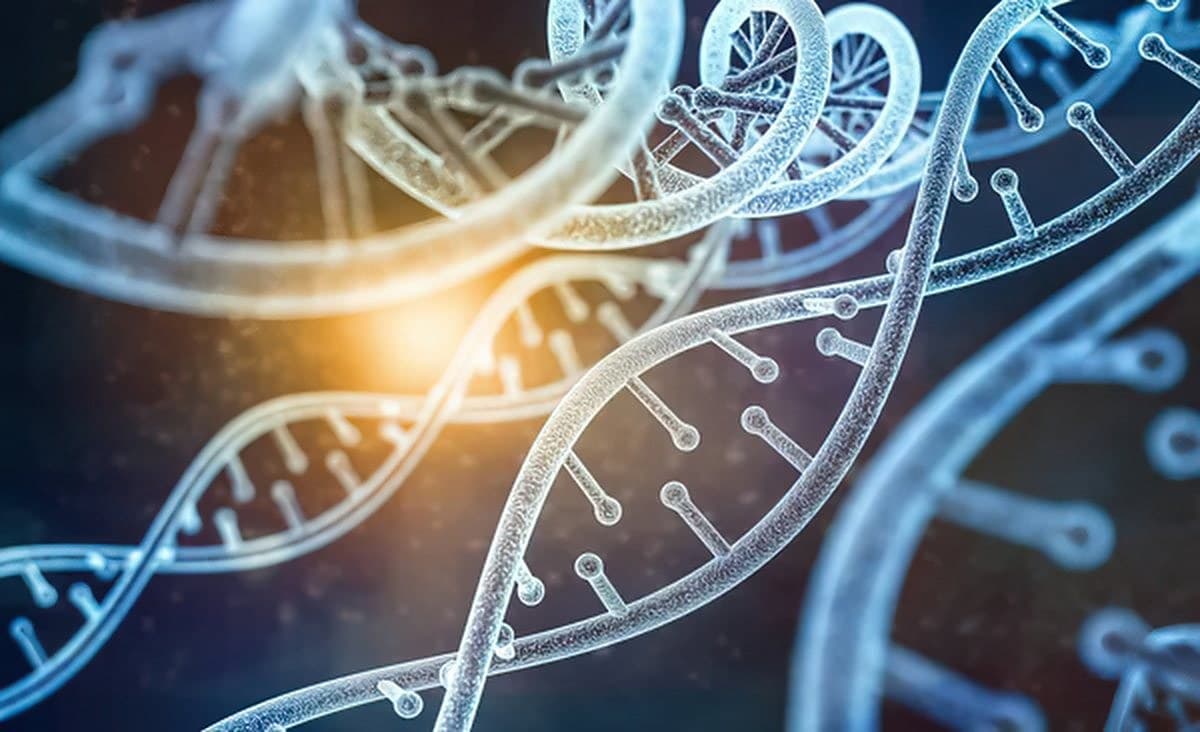
What if I told you your DNA can be edited?
Well, although it may sound like scientific fiction, the tools already exist. It is called CRISPR, which is a "molecular scissor" that can find a wrong version of a gene, cut it out, and sometimes paste in a corrected version. The researchers who developed it won the Nobel Prize in 2020.
In 2023, regulators approved a CRISPR treatment for sickle cell disease, aiming to fix an inherited illness at its genetic root instead of just managing symptoms. Scientists are now targeting cancers and other conditions once thought untreatable. Not only for human beings, but it can be used in farms as well. In farms, engineered crops can resist drought and pests. However, such technology can be misused. In 2018, a scientist edited the genes of human embryos that became actual babies. This raised a significant question, which still cannot be clearly answered to this day: If we can choose a child's traits, who decides what counts as a "fix" and what is just a preference?
Genetic engineering is not a miracle nor a monster. It's a tool, and its value depends on how it is used. While the advancement of technology is getting faster and quicker, it leaves a big question to all of us: not whether we can edit life, but whether we should.
Letters
Say something about this story. No account needed. Leave a name or stay anonymous, and you can delete anything you post from this browser.
Related Stories
Neuroscience: Understanding the Human Brain
Billions of neurons, electrical and chemical signals, and what studying them may teach us about being human.
Yebynn Son/Sep 2026
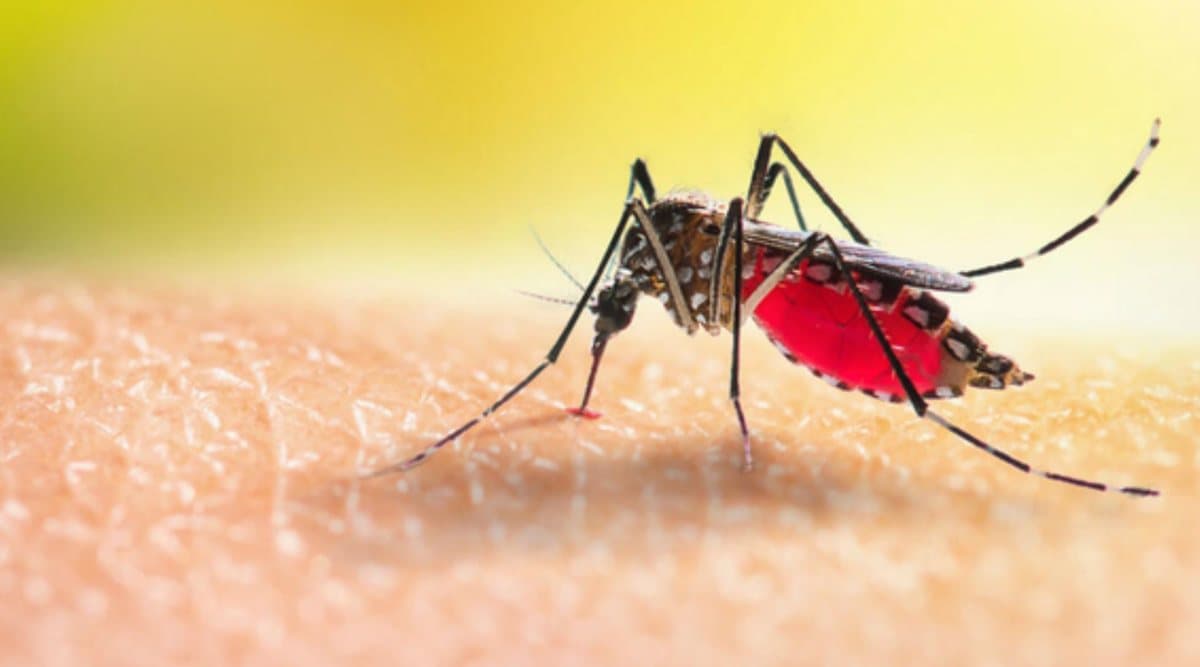
More Than Just a Summer Nuisance
Why only females bite, why the bite itches, and why mosquito prevention is a small part of protecting community health.
Yena Seo/Sep 2026
How Exercise Helps Build Stronger Bones
Bone is living tissue. Three sessions a week at a decent intensity, and it remodels itself around the load.
Hyunji Song/Jun 2026
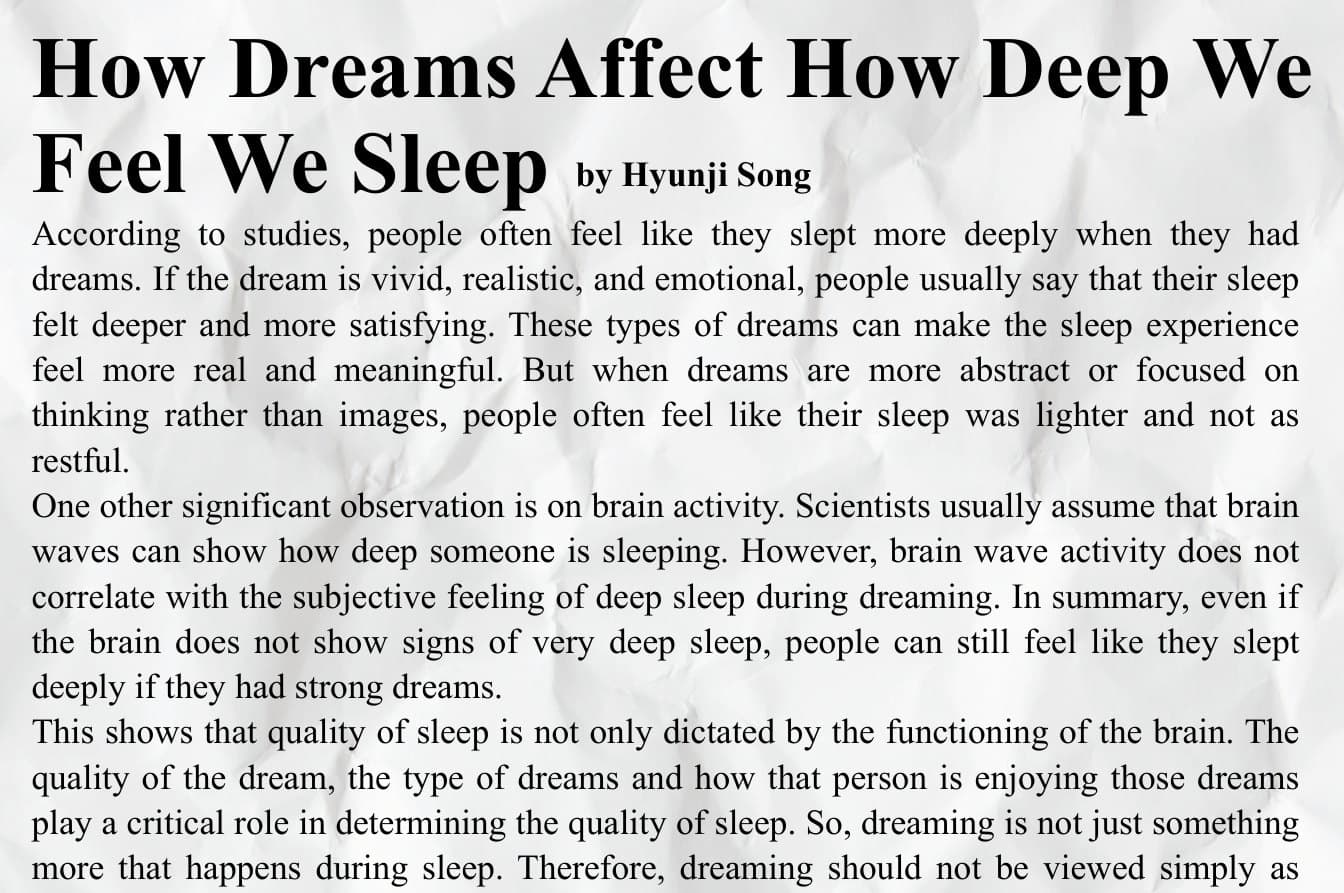
How Dreams Affect How Deep We Feel We Sleep
Brain-wave activity does not match the feeling of deep sleep. The dream does.
Hyunji Song/Mar 2026
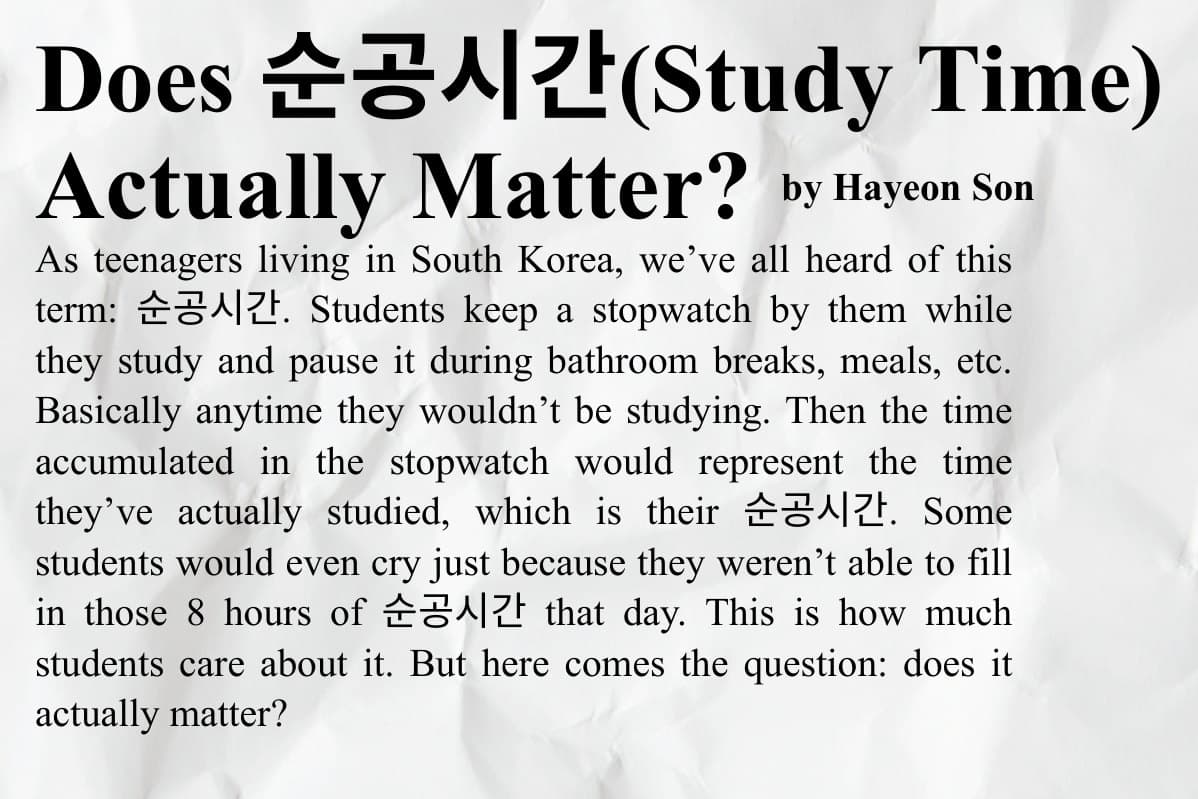
Does 순공시간 (Study Time) Actually Matter?
Students stop the clock for bathroom breaks and cry over eight hours. The correlation is weaker than expected.
Hayeon Son/Mar 2026
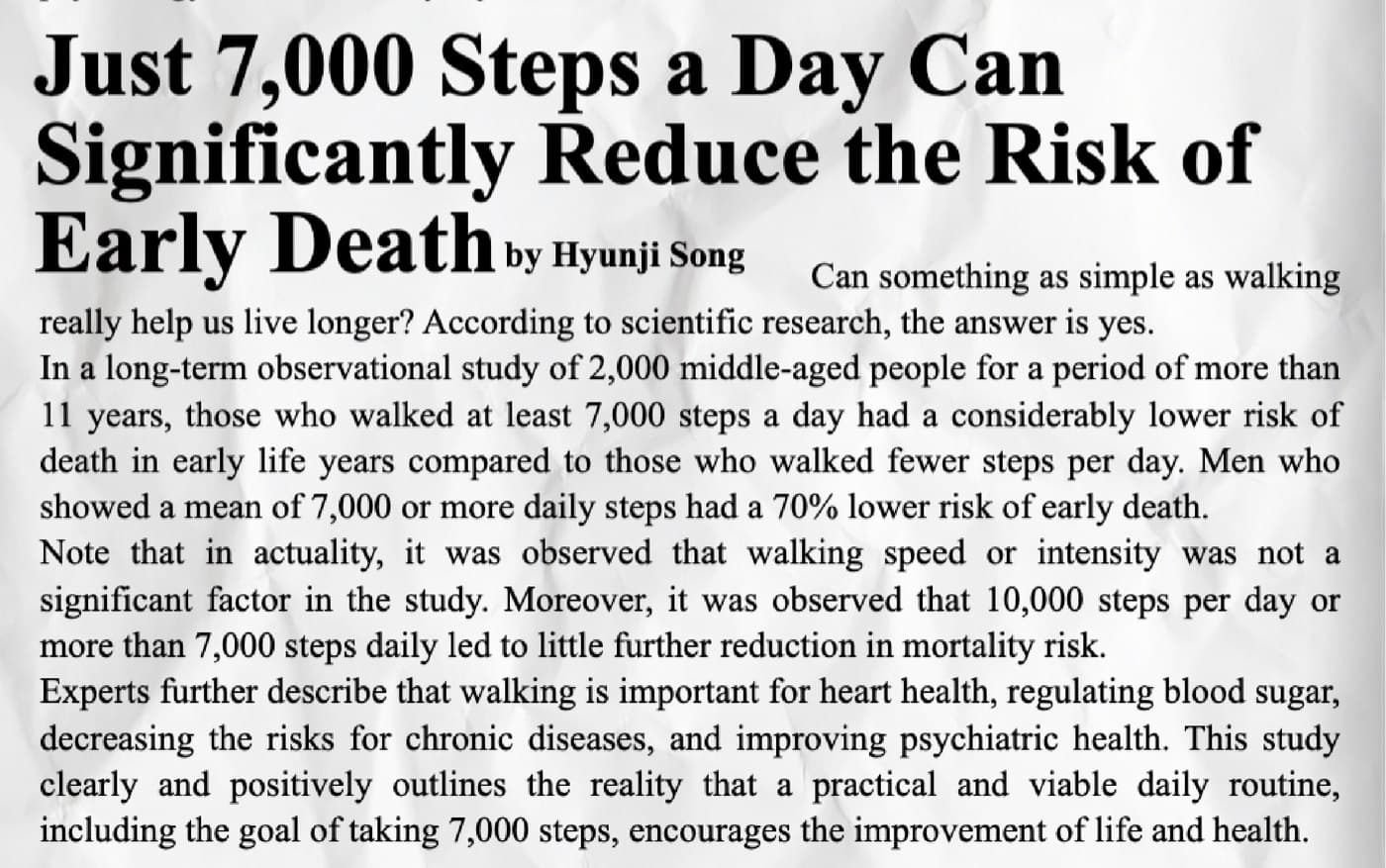
Just 7,000 Steps a Day Can Significantly Reduce the Risk of Early Death
Two thousand middle-aged people, eleven years, and a 70% lower risk. Speed turned out not to matter.
Hyunji Song/Feb 2026
More from Public Health & Science
Neuroscience: Understanding the Human Brain
Billions of neurons, electrical and chemical signals, and what studying them may teach us about being human.
Yebynn Son/Sep 2026
More Than Just a Summer Nuisance
Why only females bite, why the bite itches, and why mosquito prevention is a small part of protecting community health.
Yena Seo/Sep 2026
How Exercise Helps Build Stronger Bones
Bone is living tissue. Three sessions a week at a decent intensity, and it remodels itself around the load.
Hyunji Song/Jun 2026
How Dreams Affect How Deep We Feel We Sleep
Brain-wave activity does not match the feeling of deep sleep. The dream does.
Hyunji Song/Mar 2026
Does 순공시간 (Study Time) Actually Matter?
Students stop the clock for bathroom breaks and cry over eight hours. The correlation is weaker than expected.
Hayeon Son/Mar 2026
Just 7,000 Steps a Day Can Significantly Reduce the Risk of Early Death
Two thousand middle-aged people, eleven years, and a 70% lower risk. Speed turned out not to matter.
Hyunji Song/Feb 2026