
More Than Just a Summer Nuisance
Why only females bite, why the bite itches, and why mosquito prevention is a small part of protecting community health.
Yena Seo
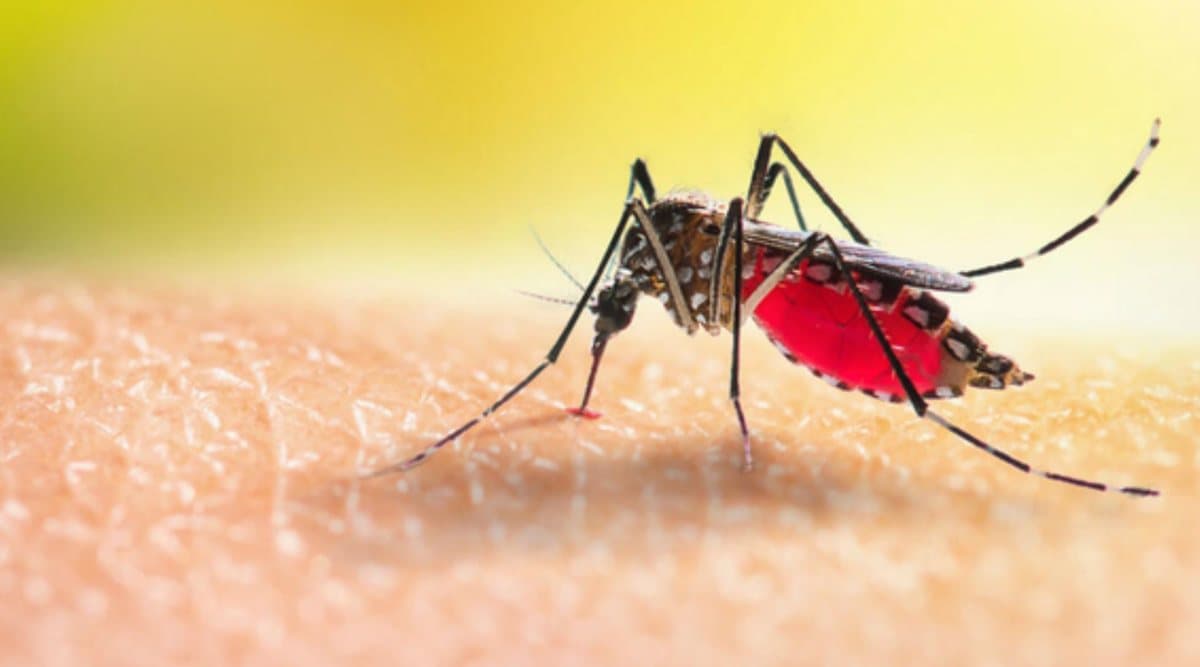
Summer at Valor brings warmer and humid weather, longer afternoons, and, lately, plenty of mosquitoes. Whether one finds its way into a dorm room or appears while students are outside, mosquitoes can quickly become one of summer's most annoying visitors. But behind the buzzing and itching is a surprisingly complex biological process, and a public-health concern that extends far beyond campus.
Only female mosquitoes bite humans. They need nutrients from blood to develop their eggs, while males primarily feed on plant nectar. When a female bites, she releases saliva containing proteins that prevent blood from clotting. Our immune system reacts to these proteins, creating the familiar itchy, red bump.
More importantly, some mosquito species can act as vectors, carrying pathogens between hosts and transmitting diseases such as dengue, malaria, and Japanese encephalitis.
Mosquitoes are especially common in warm weather because temperature affects their activity and reproduction. Outside of campus, places like local parks, gardens, and areas around homes can provide breeding environments when rainwater collects in containers, drains, or other small spaces.
So this summer, when heading home or spending time outdoors, remember that mosquito prevention is not just about avoiding an itchy bite; it is also a small part of protecting community health.
Filed under
Letters
Say something about this story. No account needed. Leave a name or stay anonymous, and you can delete anything you post from this browser.
Related Stories
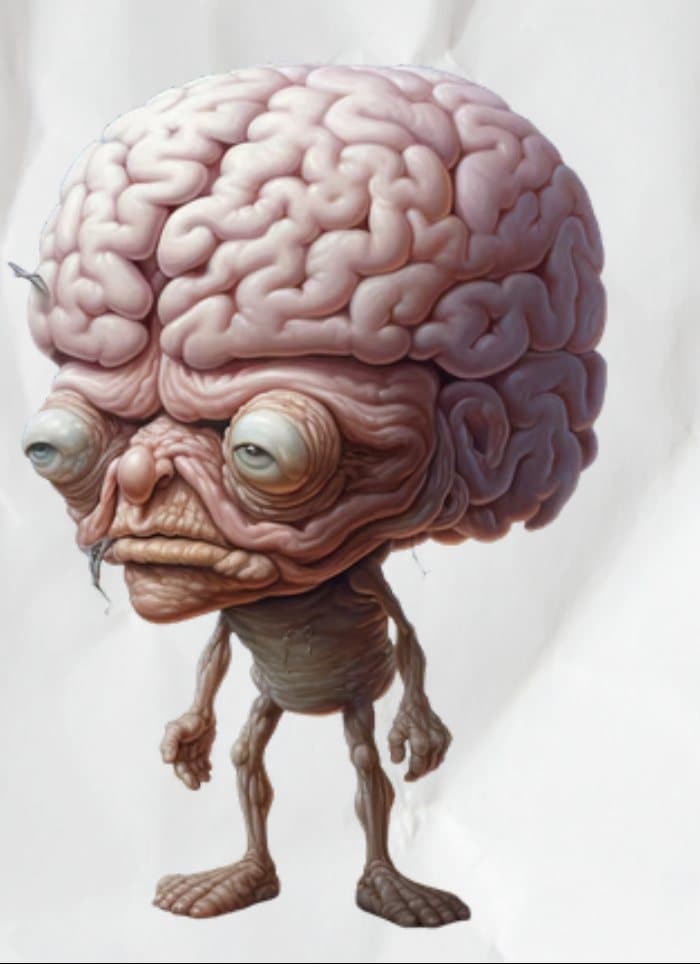
Neuroscience: Understanding the Human Brain
Billions of neurons, electrical and chemical signals, and what studying them may teach us about being human.
Yebynn Son/Sep 2026
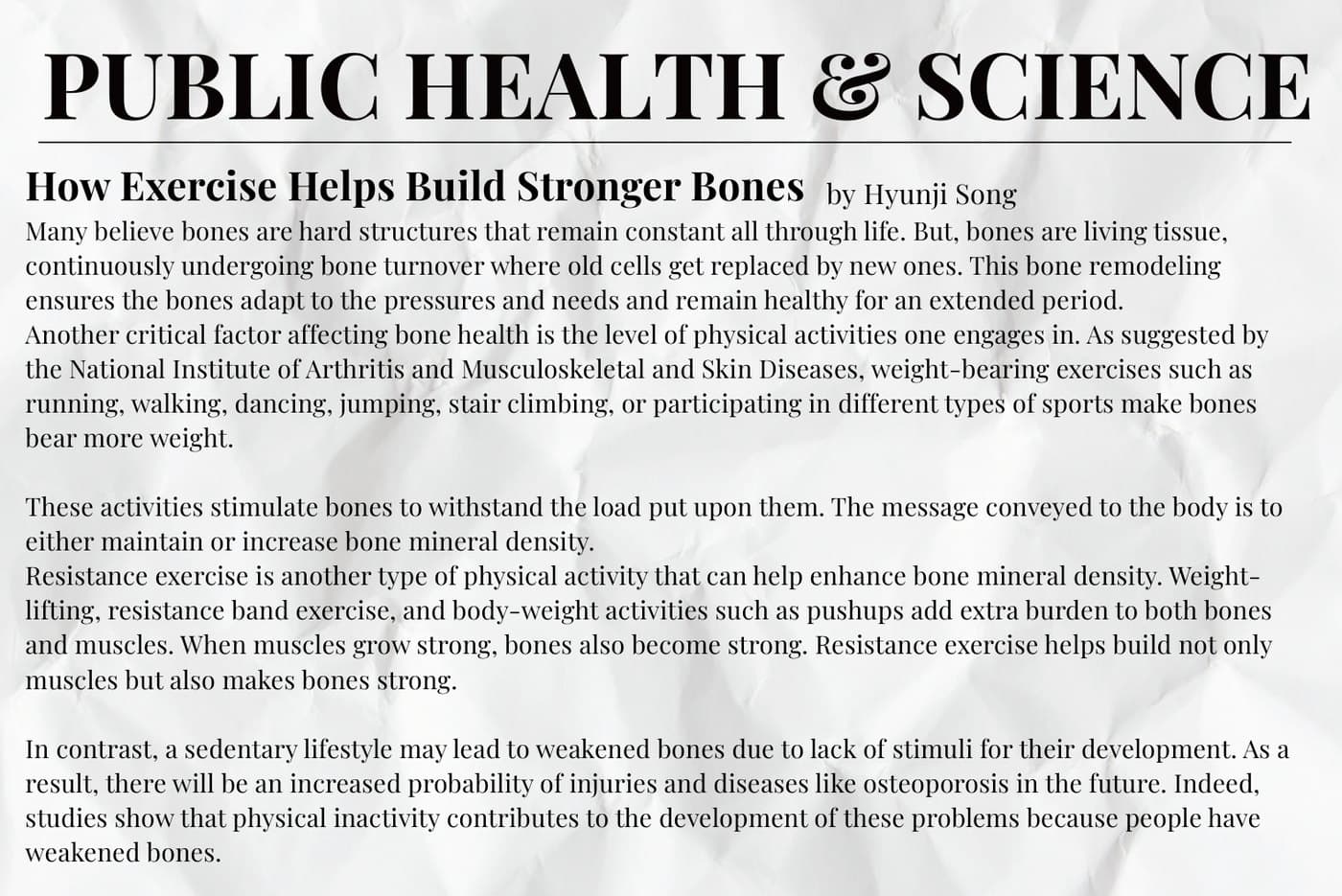
How Exercise Helps Build Stronger Bones
Bone is living tissue. Three sessions a week at a decent intensity, and it remodels itself around the load.
Hyunji Song/Jun 2026
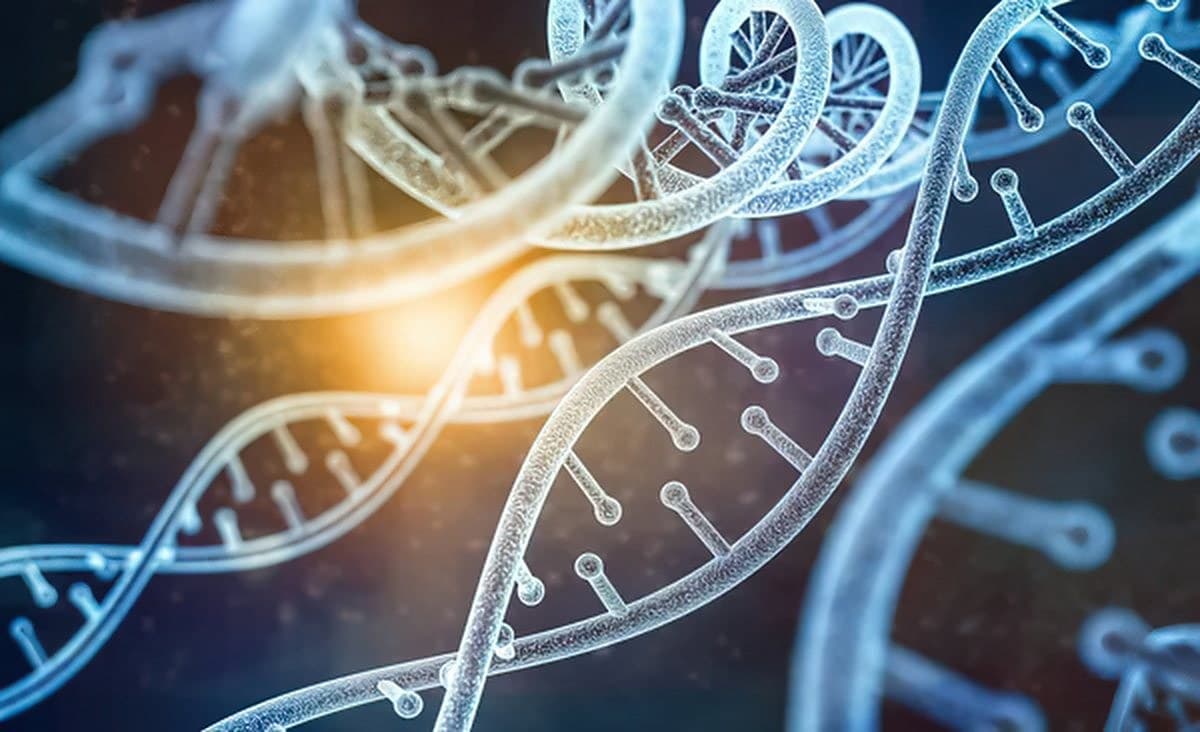
How to: Fix Yourself
CRISPR is a molecular scissor. It won a Nobel in 2020, treated sickle cell in 2023, and edited embryos in 2018.
Hayeon Son/May 2026
How Dreams Affect How Deep We Feel We Sleep
Brain-wave activity does not match the feeling of deep sleep. The dream does.
Hyunji Song/Mar 2026
Does 순공시간 (Study Time) Actually Matter?
Students stop the clock for bathroom breaks and cry over eight hours. The correlation is weaker than expected.
Hayeon Son/Mar 2026
Just 7,000 Steps a Day Can Significantly Reduce the Risk of Early Death
Two thousand middle-aged people, eleven years, and a 70% lower risk. Speed turned out not to matter.
Hyunji Song/Feb 2026
More from Public Health & Science
Neuroscience: Understanding the Human Brain
Billions of neurons, electrical and chemical signals, and what studying them may teach us about being human.
Yebynn Son/Sep 2026
How Exercise Helps Build Stronger Bones
Bone is living tissue. Three sessions a week at a decent intensity, and it remodels itself around the load.
Hyunji Song/Jun 2026
How to: Fix Yourself
CRISPR is a molecular scissor. It won a Nobel in 2020, treated sickle cell in 2023, and edited embryos in 2018.
Hayeon Son/May 2026
How Dreams Affect How Deep We Feel We Sleep
Brain-wave activity does not match the feeling of deep sleep. The dream does.
Hyunji Song/Mar 2026
Does 순공시간 (Study Time) Actually Matter?
Students stop the clock for bathroom breaks and cry over eight hours. The correlation is weaker than expected.
Hayeon Son/Mar 2026
Just 7,000 Steps a Day Can Significantly Reduce the Risk of Early Death
Two thousand middle-aged people, eleven years, and a 70% lower risk. Speed turned out not to matter.
Hyunji Song/Feb 2026