
The Psychology Behind First Impressions: Why Do We Judge People So Quickly?
A survival mechanism that still runs, and still gets people wrong.
Yebynn Son
Do you sometimes meet a person for the first time and form an impression about him or her right away? Perhaps, you felt that this person was a friendly one or a shy one, etc. It is because of what psychologists call "first impressions." In psychology, scientists have found out that people automatically make judgments about the people surrounding them. Because of being social animals, such processes enabled people in the past to survive. Yet, these impressions can also sometimes mislead us because, for instance, the reserved-looking person is not necessarily an unfriendly one.
Initial impressions may affect the way individuals make friends or work in teams as well as how students and educators perceive one another. The sad truth of our world is that many people are discriminated against based on impressions that precede their actual knowledge by others. This proves that the power of man's mind cannot be underestimated.
It is amazing how the study of psychology opens up hidden processes within the human brain, which allows us to become self-aware of our biases and biases of others. Psychology is not just about studying the mind; it is about understanding the small, everyday moments that shape our lives.
Filed under
Letters
Say something about this story. No account needed. Leave a name or stay anonymous, and you can delete anything you post from this browser.
Related Stories
Why Goodbyes Feel So Strange: The Peak-End Rule
You will not remember every quiz. You will remember the peak and the ending, which is why June feels like this.
Seohyun Choi/May 2026

The Psychology of Social Conformity
Why do people pretend to like people they secretly dislike?
Seohyun Choi/May 2026

The Psychology of Procrastination
The limbic system versus the prefrontal cortex. Procrastination is not laziness. It is emotional regulation.
Yebynn Son/Mar 2026
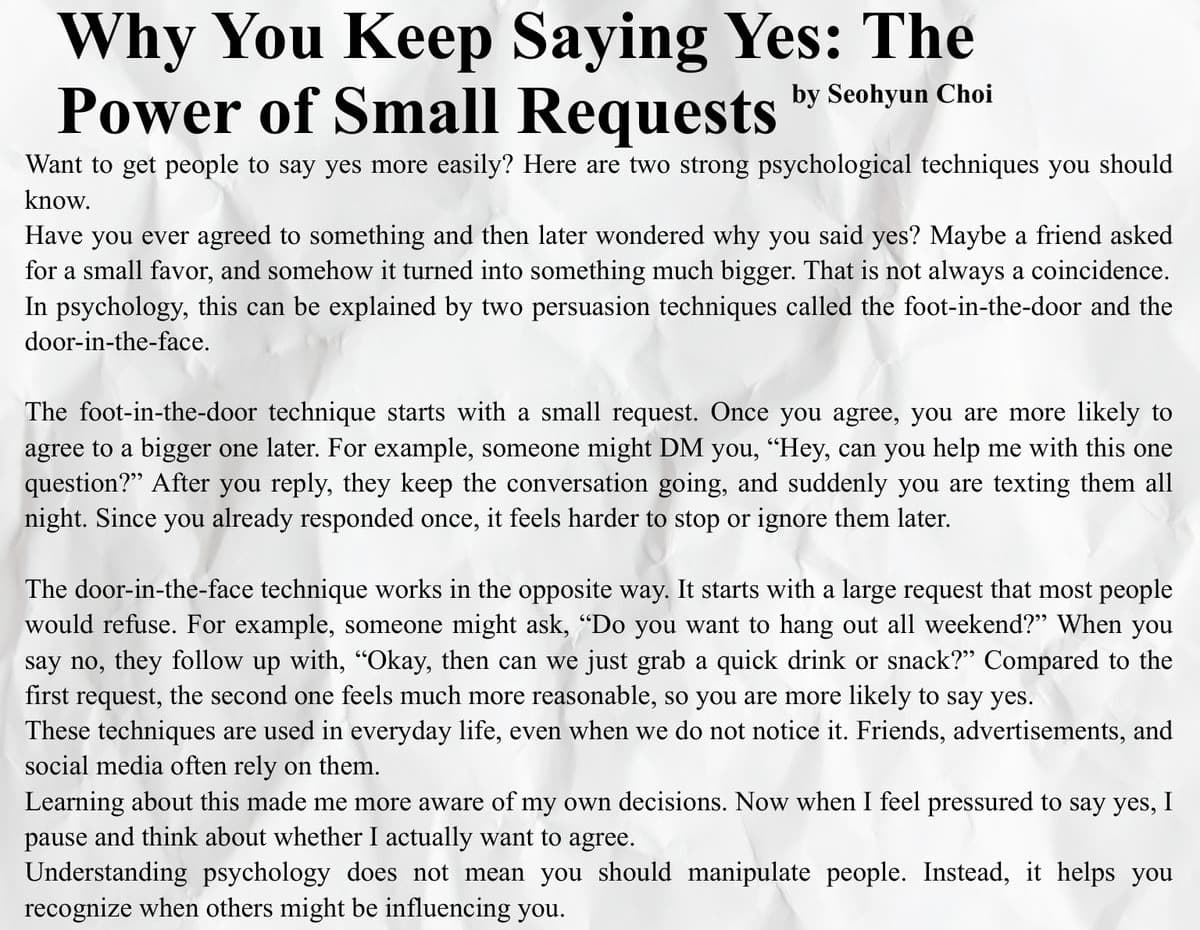
Why You Keep Saying Yes: The Power of Small Requests
Foot-in-the-door and door-in-the-face. Your friends use both, and so do advertisements.
Seohyun Choi/Mar 2026
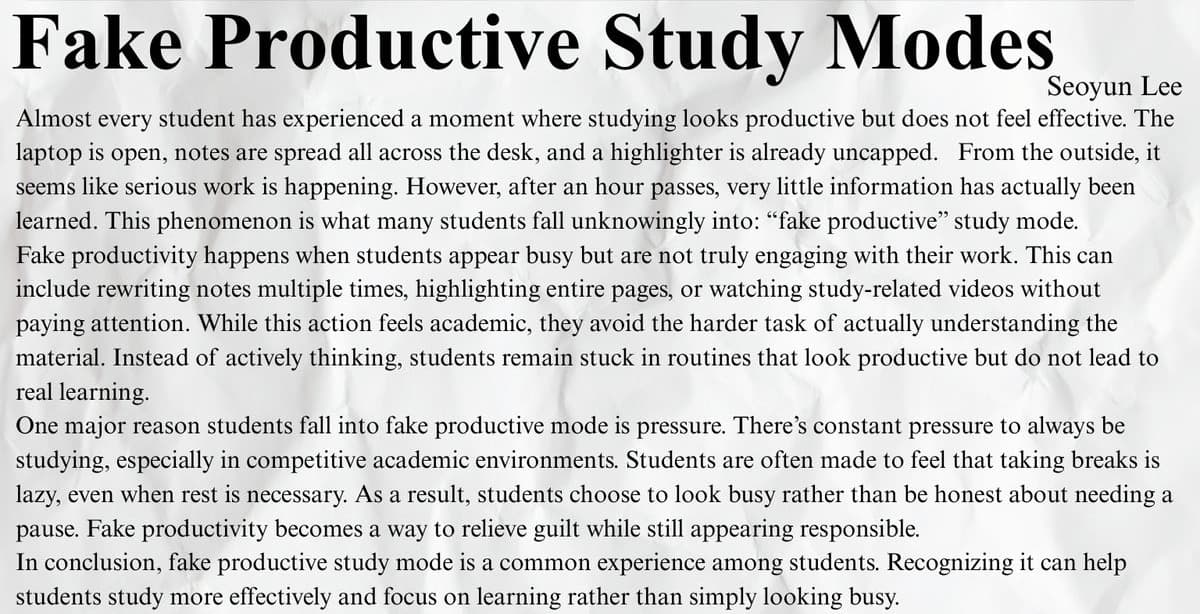
Fake Productive Study Modes
The laptop is open, the highlighter is uncapped, and an hour later nothing has been learned.
Seoyun Lee/Mar 2026
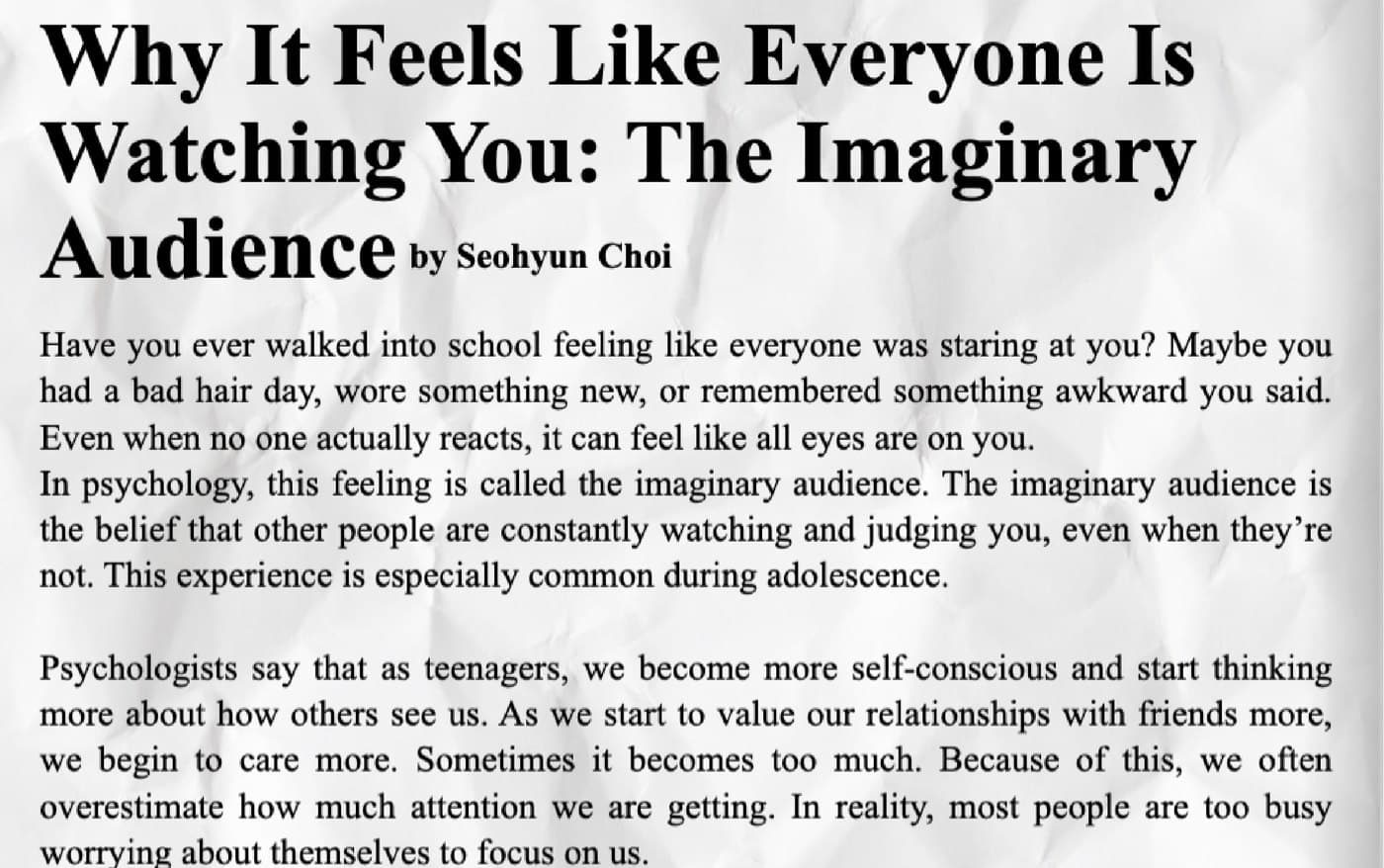
Why It Feels Like Everyone Is Watching You: The Imaginary Audience
Most people are too busy worrying about themselves to focus on you. Knowing that helps.
Seohyun Choi/Feb 2026
More from Psychology
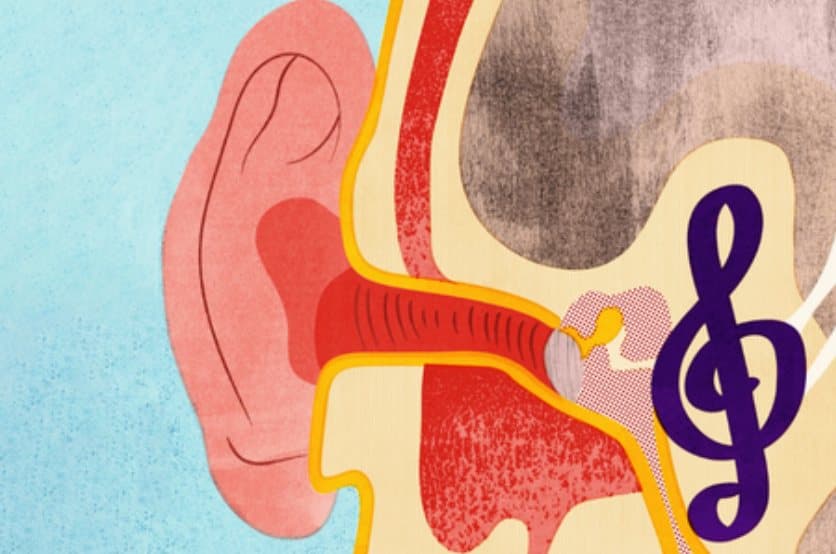
Why Do Songs Get Stuck in Our Head?
Earworms, and why the same five seconds of a song can play on a loop all day.
Hanna Seo/Sep 2026
Why Goodbyes Feel So Strange: The Peak-End Rule
You will not remember every quiz. You will remember the peak and the ending, which is why June feels like this.
Seohyun Choi/May 2026
The Psychology of Social Conformity
Why do people pretend to like people they secretly dislike?
Seohyun Choi/May 2026
The Psychology of Procrastination
The limbic system versus the prefrontal cortex. Procrastination is not laziness. It is emotional regulation.
Yebynn Son/Mar 2026
Why You Keep Saying Yes: The Power of Small Requests
Foot-in-the-door and door-in-the-face. Your friends use both, and so do advertisements.
Seohyun Choi/Mar 2026
Fake Productive Study Modes
The laptop is open, the highlighter is uncapped, and an hour later nothing has been learned.
Seoyun Lee/Mar 2026