
Fake Productive Study Modes
The laptop is open, the highlighter is uncapped, and an hour later nothing has been learned.
Seoyun Lee
Almost every student has experienced a moment where studying looks productive but does not feel effective. The laptop is open, notes are spread all across the desk, and a highlighter is already uncapped. From the outside, it seems like serious work is happening. However, after an hour passes, very little information has actually been learned. This phenomenon is what many students fall unknowingly into: "fake productive" study mode.
Fake productivity happens when students appear busy but are not truly engaging with their work. This can include rewriting notes multiple times, highlighting entire pages, or watching study-related videos without paying attention. While this action feels academic, they avoid the harder task of actually understanding the material. Instead of actively thinking, students remain stuck in routines that look productive but do not lead to real learning.
One major reason students fall into fake productive mode is pressure. There's constant pressure to always be studying, especially in competitive academic environments. Students are often made to feel that taking breaks is lazy, even when rest is necessary. As a result, students choose to look busy rather than be honest about needing a pause. Fake productivity becomes a way to relieve guilt while still appearing responsible.
In conclusion, fake productive study mode is a common experience among students. Recognizing it can help students study more effectively and focus on learning rather than simply looking busy.
Filed under
Letters
Say something about this story. No account needed. Leave a name or stay anonymous, and you can delete anything you post from this browser.
Related Stories

The Psychology of Social Conformity
Why do people pretend to like people they secretly dislike?
Seohyun Choi/May 2026

The Psychology of Procrastination
The limbic system versus the prefrontal cortex. Procrastination is not laziness. It is emotional regulation.
Yebynn Son/Mar 2026
The Psychology Behind First Impressions: Why Do We Judge People So Quickly?
A survival mechanism that still runs, and still gets people wrong.
Yebynn Son/Jun 2026

Why Goodbyes Feel So Strange: The Peak-End Rule
You will not remember every quiz. You will remember the peak and the ending, which is why June feels like this.
Seohyun Choi/May 2026
Why You Keep Saying Yes: The Power of Small Requests
Foot-in-the-door and door-in-the-face. Your friends use both, and so do advertisements.
Seohyun Choi/Mar 2026
Why It Feels Like Everyone Is Watching You: The Imaginary Audience
Most people are too busy worrying about themselves to focus on you. Knowing that helps.
Seohyun Choi/Feb 2026
More from Psychology
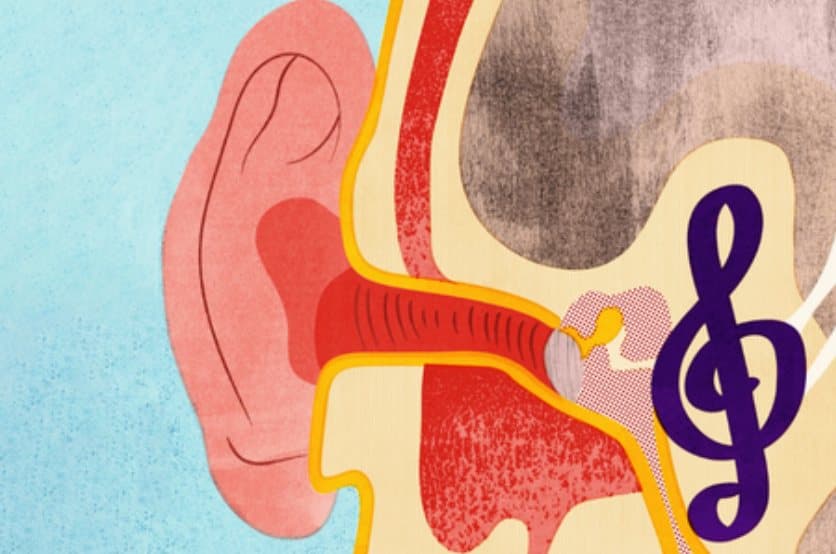
Why Do Songs Get Stuck in Our Head?
Earworms, and why the same five seconds of a song can play on a loop all day.
Hanna Seo/Sep 2026
The Psychology Behind First Impressions: Why Do We Judge People So Quickly?
A survival mechanism that still runs, and still gets people wrong.
Yebynn Son/Jun 2026
Why Goodbyes Feel So Strange: The Peak-End Rule
You will not remember every quiz. You will remember the peak and the ending, which is why June feels like this.
Seohyun Choi/May 2026
The Psychology of Social Conformity
Why do people pretend to like people they secretly dislike?
Seohyun Choi/May 2026
The Psychology of Procrastination
The limbic system versus the prefrontal cortex. Procrastination is not laziness. It is emotional regulation.
Yebynn Son/Mar 2026
Why You Keep Saying Yes: The Power of Small Requests
Foot-in-the-door and door-in-the-face. Your friends use both, and so do advertisements.
Seohyun Choi/Mar 2026